
Alternatives to CPAP for Sleep Apnea
CPAP is the gold-standard treatment for obstructive sleep apnea, but it doesn't work for everyone. If you've tried CPAP and can't tolerate it, Capital ENT's board-certified ENT specialists offer proven alternatives that address the source of your airway obstruction.
Why Some Patients Need Alternatives to CPAP
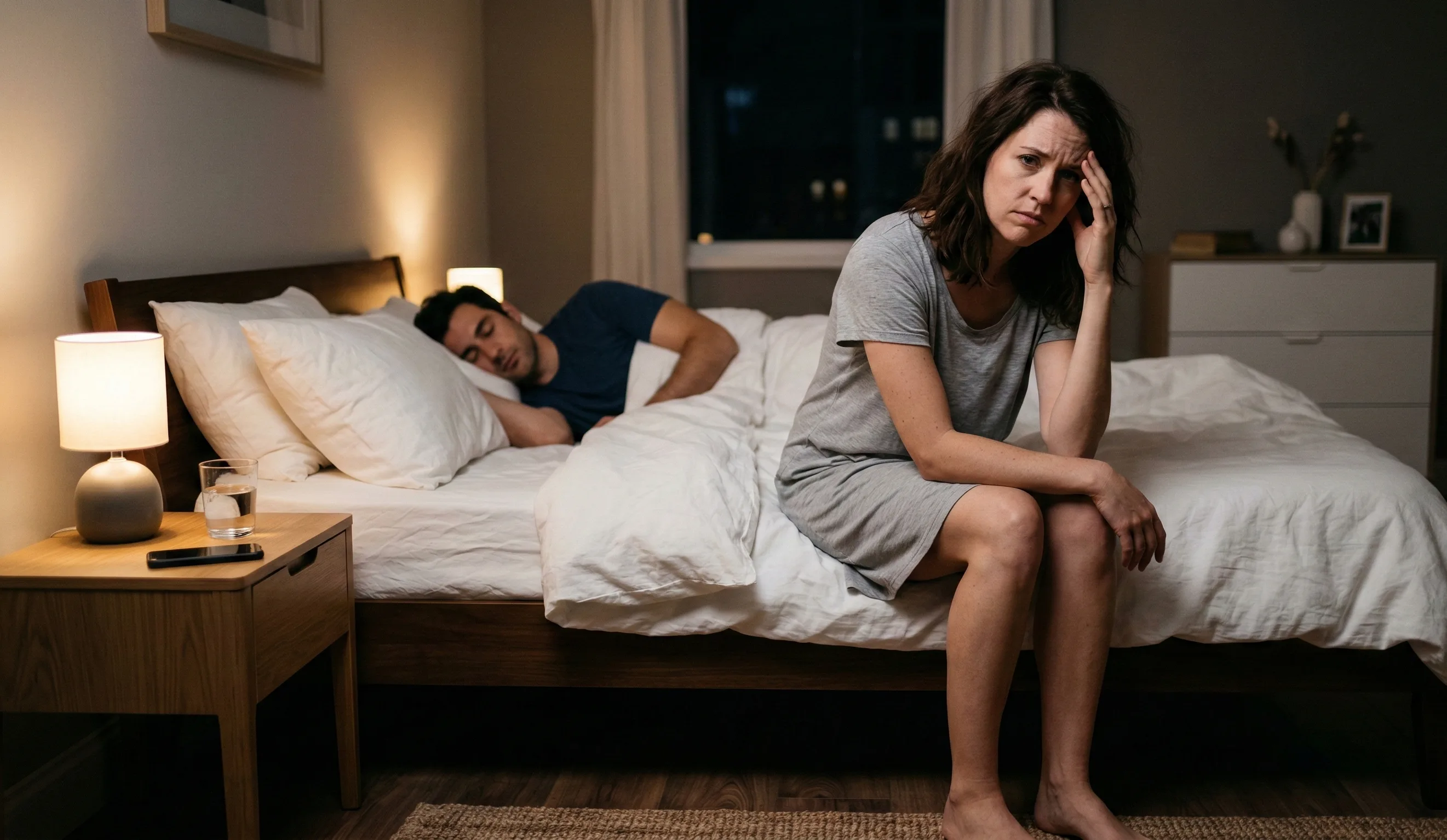
Studies show that roughly one in three patients prescribed CPAP do not use it regularly. Common complaints include mask discomfort, air leaks, dry mouth, claustrophobia, skin irritation, and difficulty traveling with the device.
Untreated sleep apnea carries serious health risks, including high blood pressure, heart disease, stroke, and daytime fatigue that impairs driving and work performance. If CPAP isn't working for you, doing nothing is not the answer.
At Capital ENT, we evaluate the anatomy of your airway, identify where and why it collapses, and match you with the treatment most likely to succeed. See the full range of sleep apnea treatment we offer.
Proven Alternatives to CPAP Therapy
Depending on your anatomy, severity, and preferences, one or more of these options may be right for you.
Inspire Upper Airway Stimulation
A small, FDA-approved implant that gently stimulates the hypoglossal nerve in rhythm with your breathing to keep the airway open during sleep. No mask, no hose, no air pressure. Clinical studies show meaningful AHI reduction for many appropriately selected patients.
Moderate–Severe OSAOral Appliance Therapy
A custom-fitted dental device worn at night that advances the lower jaw slightly forward, preventing the tongue and soft tissues from collapsing into the airway. Comfortable and portable. We refer patients to a dental sleep specialist for fitting. An option for adults who cannot tolerate CPAP or prefer an alternative; usually works best for mild to moderate OSA.
Best for Mild–Moderate OSANasal Surgery
Septoplasty, turbinate reduction, and nasal valve repair correct structural blockages that contribute to sleep apnea and make CPAP intolerable. Improving nasal airflow can make CPAP more comfortable, lower the pressure you need, and improve sleep quality; on its own it rarely cures sleep apnea.
All SeveritiesPalatal Procedures
In-office palatal procedures such as injection snoreplasty mainly treat snoring and may help some patients with mild sleep apnea; more involved palate surgery is used for selected patients with OSA. See surgical snoring treatments for how the options compare.
Snoring / Mild OSAWeight Management
Excess weight (particularly around the neck and airway) is one of the strongest predictors of OSA severity. Even modest weight loss can meaningfully reduce AHI. We help patients develop a sustainable plan alongside other treatments.
All SeveritiesPositional Therapy
Some patients experience apneas primarily when sleeping on their back (supine position). Positional therapy devices discourage back-sleeping and can meaningfully reduce AHI in patients with position-dependent OSA.
Positional OSACPAP Alternatives at a Glance
Each treatment has different strengths. Your ENT will help you choose the right one.
| Inspire Implant | Oral Appliance | Nasal / Palatal Surgery | |
|---|---|---|---|
| Best For | Moderate–severe OSA, CPAP intolerant | Any OSA severity (best for mild–moderate), snoring | Nasal obstruction, snoring, CPAP optimization |
| How It Works | Nerve stimulation keeps airway open | Jaw repositioning prevents collapse | Structural correction of blockages |
| Nightly Use | Press button on remote | Wear oral device nightly | May reduce or eliminate need for a nightly device |
| Invasiveness | Outpatient implant surgery | Non-invasive | In-office or outpatient surgery |
| Recovery | About 1 week | None; custom fitting by a referral dentist takes a few weeks | 1–2 weeks typical |
| Insurance | Most plans cover with prior auth | Coverage varies by plan | Typically covered |
| Travel-Friendly | Nothing to pack | Small, portable device | No device if surgery controls OSA |
How We Find Your Best Option
A systematic, step-by-step evaluation ensures you get the right treatment, not just any treatment.
-
Sleep Evaluation
We review your sleep study results, CPAP history, symptoms, and medical background. If you haven't had a recent sleep study, we can arrange a convenient at-home test.
-
Airway Assessment
A board-certified ENT examines your nasal passages, soft palate, tongue base, and throat to identify exactly where your airway collapses, which is the key to choosing the right alternative.
-
Personalized Plan
Based on your anatomy, OSA severity, and lifestyle preferences, we recommend one or more targeted treatments. Many patients benefit from a combination approach.
-
Ongoing Monitoring
Follow-up sleep testing confirms your treatment is working effectively. We adjust your plan as needed to ensure lasting results and continued restful sleep.
Inspire Therapy: The Leading Surgical CPAP Alternative
For patients with moderate-to-severe sleep apnea who can't use CPAP, Inspire offers a breakthrough solution. A small implant works inside your body while you sleep: no mask, no hose, no noise.
Capital ENT provides Inspire evaluation, surgery, activation, and follow-up for appropriately selected patients across Central Texas.
Learn About Inspire TherapyWho Should Consider CPAP Alternatives?
Not everyone needs to abandon CPAP, but many patients are excellent candidates for alternative treatments.
Good Candidates for Alternatives
You may benefit from a CPAP alternative if you:
- Have tried CPAP for 3+ months and can't tolerate it
- Experience mask discomfort, claustrophobia, or air leaks
- Have nasal obstruction making CPAP uncomfortable
- Travel frequently and need a portable solution
- Prefer a treatment that addresses the root cause of your OSA
CPAP May Still Be Your Best Option
CPAP may be preferred if you:
- Use CPAP successfully and comfortably
- Have severe OSA and haven't tried CPAP adequately
- Have medical conditions that make surgery risky
- Haven't tried mask adjustments or pressure optimization yet
CPAP Alternatives FAQ
More Sleep Health Resources
Snoring Treatment
Many CPAP alternatives (like nasal surgery or injection snoreplasty) also address snoring. Learn how treating the anatomical source can improve both conditions at once.
GLP-1 Therapy & Sleep Apnea
For patients with obesity-related OSA, GLP-1 weight management therapy can reduce disease severity and may improve candidacy for CPAP alternatives like Inspire.
Mouth Taping & Nasal Breathing
Improving nasal breathing can enhance the effectiveness of nearly every sleep apnea treatment. Learn what the evidence says about mouth taping and nasal breathing.
Do Oral Appliances Work?
Oral appliances are one of the most popular CPAP alternatives. Learn how well these custom mandibular advancement devices work and who is a good candidate.
Find Your Best Sleep Solution
Our board-certified ENT specialists will evaluate your airway, review your options, and recommend the treatment most likely to succeed.